
How Slot Platforms Decide a Game Has ‘Aged Out’
- BabyLily

- 14 Jan
- 4 min membaca
When Slot Games Quietly Stop Getting Attention
If you’ve played slots for a while, you’ve probably noticed this happening before. A game you used to see everywhere—front page, promotions, “recommended” sections—slowly becomes harder to find. There’s no announcement, no goodbye message, and no warning. It just… fades into the background.

This quiet shift often leaves players wondering whether the game was removed, broken, or deliberately hidden. In reality, what’s happening is much more routine. Slot platforms regularly manage their game libraries, and decisions about a game “aging out” are usually gradual, data-driven, and rarely communicated publicly. It’s not about taking something away from players, but about keeping the overall platform fresh, stable, and engaging.
Player Engagement Signals That Indicate a Slot Game Is Aging
Regular players are often the first to sense when a game is losing momentum. Sessions feel quieter, fewer people seem to be playing, and the game doesn’t come up as often during browsing. You might still enjoy it, but it feels like the crowd has moved on.
Behind the scenes, platforms closely track engagement signals such as how often a game is launched, how long sessions last, and how frequently players return to it over time. When these numbers gradually decline and stay low for extended periods, it suggests that interest is naturally tapering off. These metrics are applied consistently across all titles, so no single game is singled out unfairly—it’s the overall pattern that matters.
Promotion Performance Decline Over Multiple Cycles
Sometimes a platform gives an older game another moment in the spotlight. You might see it briefly reappear in a promotion or featured section, only for it to disappear again shortly after.
This isn’t random. Platforms often test visibility boosts to see whether renewed exposure reignites interest. If engagement spikes briefly but then drops back to previous levels, it signals that the game’s appeal may no longer be strong enough to sustain ongoing promotion. These decisions are based on measured response over multiple cycles, not on a single weak performance or personal preference.
Technical Compatibility With New Platform Updates
Players sometimes notice that older games don’t feel quite the same after major platform updates. Animations may seem slower, interfaces less polished, or interactions slightly dated compared to newer titles.
As platforms evolve, they introduce engine updates, new device standards, and interface improvements. Older games may not fully align with these changes without significant redevelopment. Maintaining compatibility requires time, resources, and ongoing testing. When a game becomes increasingly difficult to keep optimised alongside newer technology, platforms may reduce its prominence to maintain a smooth overall experience.
Shifts in Player Preference and Theme Saturation
Even great themes can wear thin over time. A concept that once felt exciting can start to feel overly familiar after years of exposure. Players might not consciously reject it—they just stop choosing it.
Platforms analyse long-term trends in theme popularity, not just short-term spikes. When certain styles, visuals, or concepts become saturated, interest naturally shifts toward newer ideas. This isn’t about chasing trends for the sake of it, but about responding to how player expectations evolve. Theme fatigue is assessed carefully using extended data, ensuring decisions reflect genuine changes in behaviour rather than temporary dips.
Provider Support and Update Frequency Decline
Players may notice that older games receive fewer bug fixes, visual tweaks, or minor enhancements over time. While the game still works, it doesn’t feel actively maintained anymore.
This often relates to the provider’s update cycle. As developers focus on newer releases, older titles may receive less frequent support. Platforms take this into account when deciding how prominently to feature a game. Titles that are no longer actively updated are reviewed carefully, with stability and player experience kept front of mind before any reduction in visibility.
Lobby Space and Content Rotation Constraints
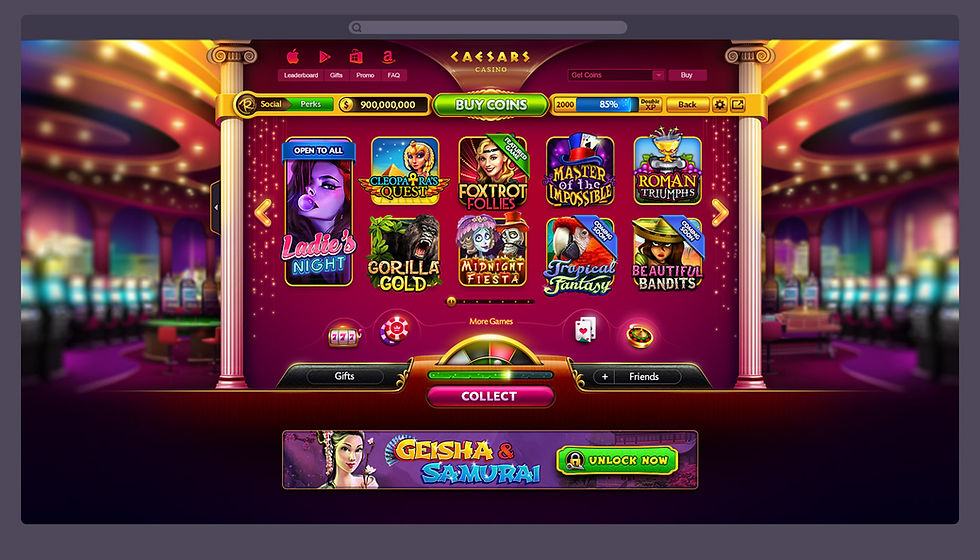
Slot lobbies aren’t endless. There’s only so much space on homepages, featured rows, and promotional banners. When new games arrive, something has to make room.
Players might notice familiar titles being replaced by newer ones, even though the older games still exist. This rotation helps keep the platform feeling fresh and avoids overwhelming users with too many choices at once. It’s an operational necessity rather than a bias against older content, designed to balance variety, discoverability, and ease of browsing.
Why “Aged Out” Doesn’t Always Mean Removed
An important thing to understand is that a game aging out doesn’t automatically mean it’s gone forever. Many older slots remain fully playable, even if they’re no longer heavily promoted.
Platforms distinguish between reduced visibility and full retirement. A game may simply move out of featured sections while staying accessible through search or category browsing. This approach prioritises stability and player choice, allowing fans of older titles to keep enjoying them without forcing constant updates or removals.
Conclusion — Aging Decisions Reflect Evolution, Not Obsolescence
Most players sense these lifecycle changes long before they understand them. A game feels quieter, less visible, or less talked about, even though it still works just fine.
From a platform perspective, aging decisions are part of ongoing evolution. They’re guided by engagement trends, technical compatibility, provider support, and long-term sustainability. Rather than signalling failure or obsolescence, they reflect the natural rhythm of a living platform—one that grows, adapts, and makes space for what players are ready to enjoy next.


Komen